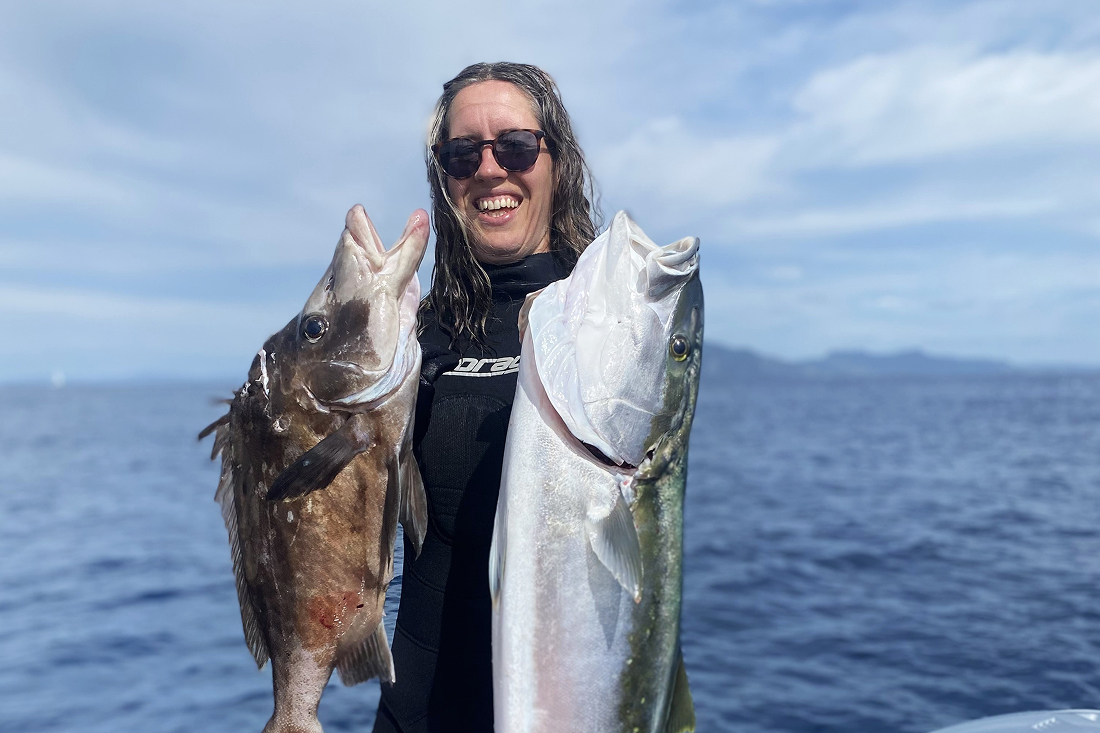
From the Harbour Bridge to Cape Reinga, Rachael’s role is all about helping farmers through practical support and advice on all aspects relating to milk quality.
Rachael has a strong connection to Northland, growing up on an orchard near Kerikeri, she knows first-hand the value of working from the land in a rural community. After university she started in environmental management with a focus on improving water quality and effluent systems on farm. “Three years ago, I switched water for milk and haven’t looked back”.
Supporting milk quality is not a straightforward task – there are always new challenges and no one-size-fits-all solutions. Rachael thrives on problem-solving, working alongside farmers to tackle issues and find practical answers. “The quality of our milk is our core point of difference on the global market” and opens doors for New Zealand dairy.
For Rachael, helping farmers achieve their milk quality goals is a team effort. Whether it’s advice on lowering bulk somatic cell counts, milking efficiency, or trouble shooting issues on farm, she’s ready to roll up her sleeves and work through solutions together. “Each season brings its own challenges,” she says. If you have a set routine plan in place that all staff have input into, you’ll see real benefits in the seasons to come.
Rachael’s top 3 opportunities for SCC improvement on farm are:
- Restrict the use of high-pressure hoses in the pit
Focus on reducing the number of bacteria the teat is exposed to – “one of the only ways a cow gets mastitis is up the teat canal”. Implement a ‘no hose zone’ directly beneath or around cows when teat ends are exposed. - Teat Spray – “every cow, after every milking”
Check your teat spray ratios and apply at least 20ml per cow. - Sample clinical mastitis
This knowledge is crucial – different types of mastitis require different responses. CNS for example is often an indication of ineffective teat spray.
Rachael’s favourite part of her job? “It’s definitely the problem-solving,” she says. “Helping farmers find a solution that works for them and their farm – it keeps me on my toes. Every farm is different, so it’s always interesting.”