Top farmers don’t treat lameness reactively. They prevent it – catching it early, reducing pressure and taking the weight off the affected claw, monitoring recovery, escalating when needed, and intervening decisively in severe cases. The difference between a 14% lameness rate and an 8% rate isn’t luck; it’s having the right tools and using them at the right time.
Here’s what research shows: without early intervention, lame cows can take 7-14 days or more to recover. With proper treatment – hoof trimming and elevation of the affected claw with a hoof block – recovery can be managed within 7 days or less.2
Common causes of lameness in New Zealand
More than 80% of lameness in New Zealand dairy cows is caused by Claw Horn Lesions – White Line Disease, sole ulcers, and sole haemorrhage3. Hoof injuries can be hard to spot and slow to heal. Left untreated, lameness can lead to permanent damage and increase the risk of repeat cases.
Around calving, cows are especially vulnerable. Changes in the hoof – thinning of the fat pad and relaxation of ligaments – leave the corium (the soft tissue inside the hoof) more exposed to damage. This ‘calving effect’ makes the approximately eight weeks after calving a critical window for lameness prevention, particularly in heifers.4
Keeping cows performing with good hoof care solutions
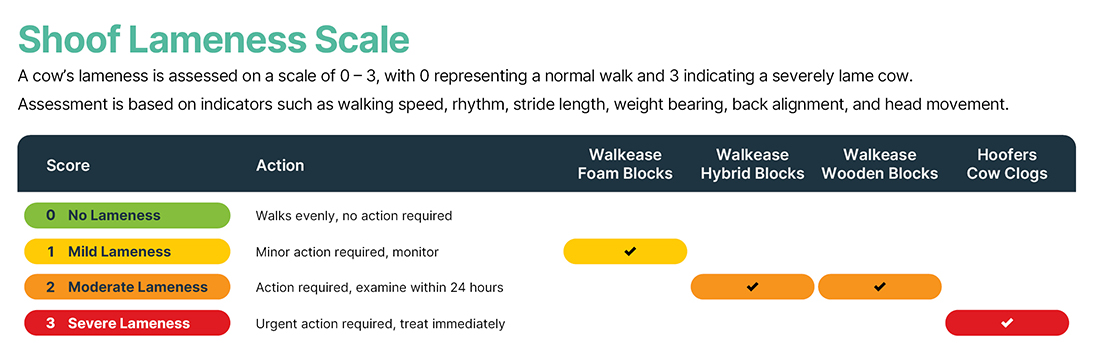
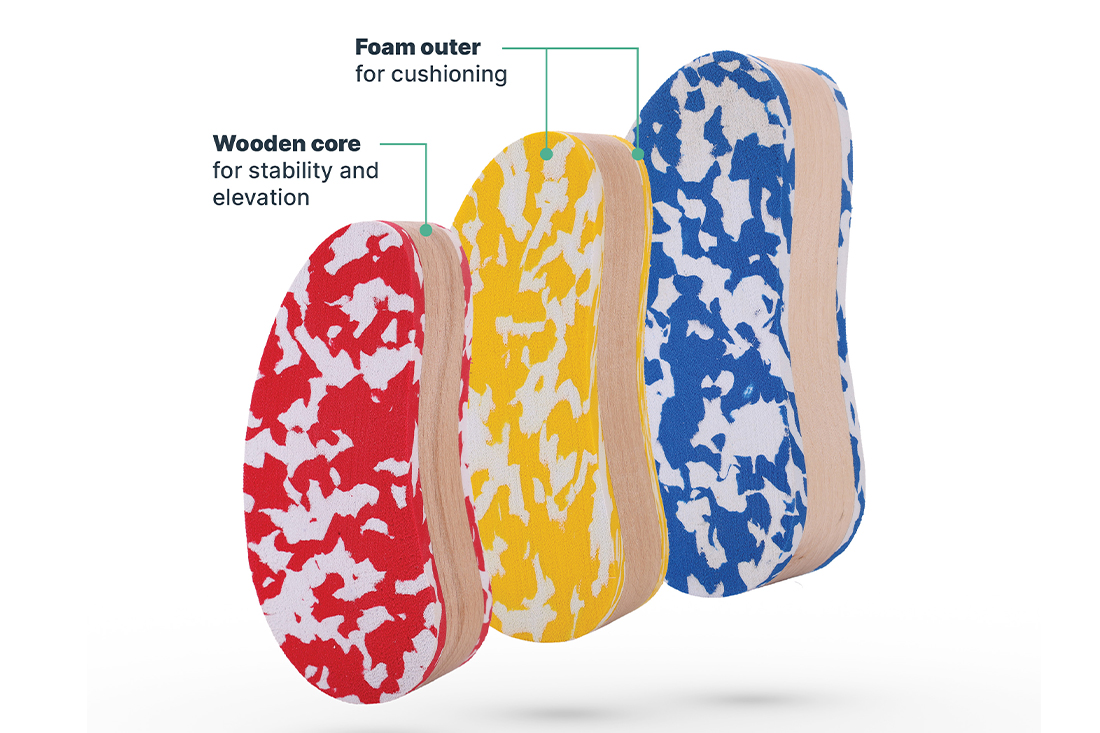
Shoof designed and developed the Walkease hoof block system as a clear, staged approach to lameness management – matching the right product to the severity of lameness.
By acting at the time of lameness identification, and using the Walkease system, farmers aren’t just treating lameness. They’re preventing chronic cases, keeping cows mobile through peak lactation, and cutting recovery time in half. That means more milk, faster cycling, and a herd that moves through the shed with a little less hesitation. At Shoof, we believe that’s far better than watching cows struggle with reduced milk production, delayed cycling, and animals that never quite return to their prime condition.
Not sure where to start?
Use the Shoof Lameness Scale (based broadly on the DairyNZ lameness scale) to match severity to product. When in doubt, consult your vet or hoof trimmer.
A cow’s lameness is assessed on a scale of 0-3, with 0 representing a normal walk and 3 indicating a severely lame cow.