With pasture resilience as important as productivity, the Co-op’s Net Zero Pilot Dairy Farm in Taranaki is trialling diverse pastures and integrating biochar to strengthen soils and help reduce emissions.
Article
With pasture resilience as important as productivity, the Co-op’s Net Zero Pilot Dairy Farm in Taranaki is trialling diverse pastures and integrating biochar to strengthen soils and help reduce emissions.
The Net Zero Pilot Dairy Farm is a project within the Fonterra and Nestlé partnership, working with Dairy Trust Taranaki to trial emissions reduction solutions on a 250ha (210ha effective) farm in Taranaki. The pilot aims to create New Zealand’s first commercially viable net zero dairy farm in 10 years and is in its fourth season. Everything trialled and used on the farm needs to be scalable or already available to all dairy farmers in New Zealand.
Growing pasture in the face of unpredictable weather is a challenge many Co-op farmers know all too well.
In previous years, the Net Zero Pilot Dairy Farm has trialled a diverse pasture sward with more than 20 species, however persistence was challenging due to unique grazing management requirements and weed pressures.
This season, the focus has been on fewer pasture species that are expected to be more persistent and easier to manage with dairy cattle. The lessons of last season’s drought in Taranaki also saw a summer crop planted as insurance for potentially hot, dry months. These crop paddocks will be oversown with the diverse pasture sward in autumn.
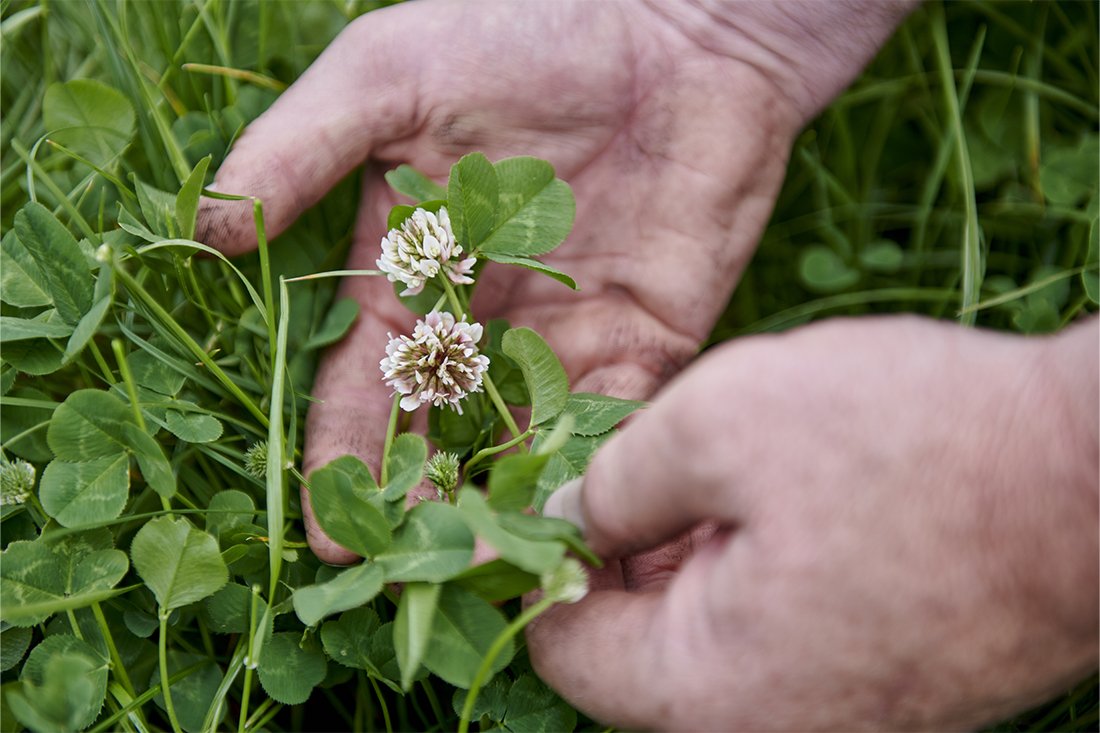
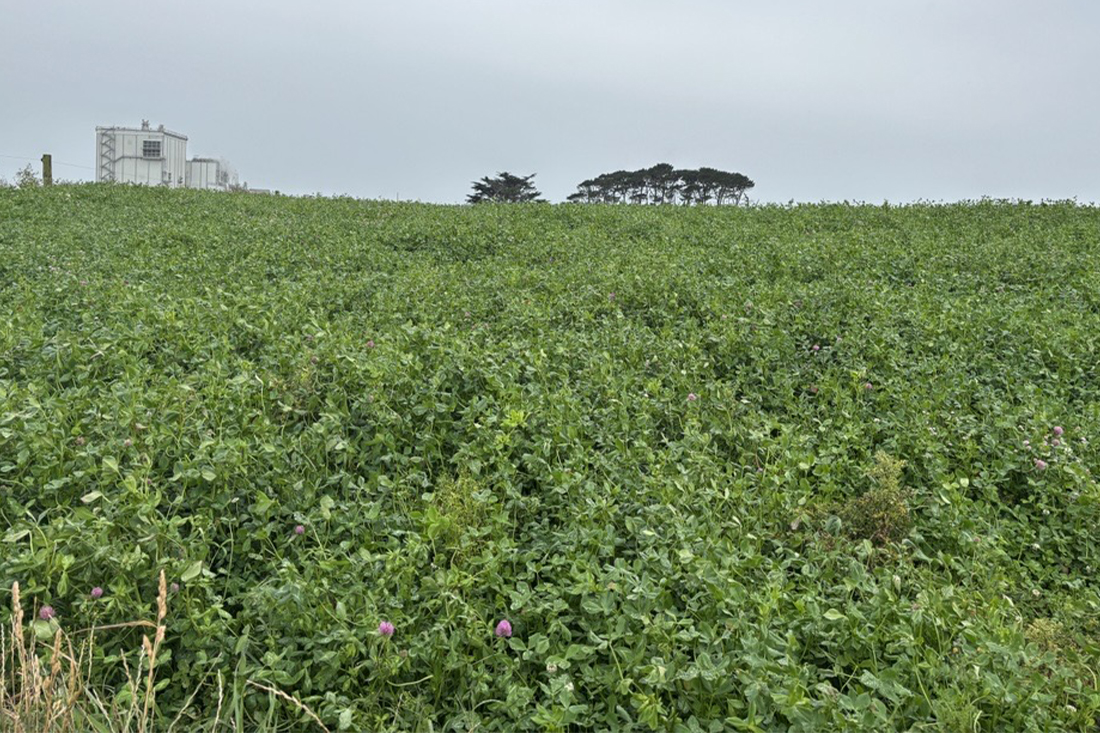
A clover crop has been sown across 10 hectares of the farm, via direct drilling to minimise soil disturbance. The mix is made up of three clover cultivars sown at 12kg/ha - Ruru white clover (2 kg/ha), Morrow red clover (4 kg/ha) and Laser Persian clover (6 kg/ha). These clovers bring high protein and energy, with Persian clover also providing fast growth and additional fibre.
Across the three paddocks, yields are forecast at around 10 tonnes dry matter per hectare, with a 21-day grazing rotation and cows strip-grazing an average of 2.5 kilograms of dry matter per day.
Spraying and close pest management (targeting clover flea and slugs) kept the young plants on track, with a brief but expected growth check after weed spraying.
Starter fertiliser included a potash-based mix with boron and molybdenum.
The paddocks were then oversown in March with Redefine cocksfoot (noted for its drought tolerance in other trials), Captain plantain, and Array perennial ryegrass. These pasture species help build a sward that can withstand tough seasons.
To set up the clover and diverse species mix for success, the team had multiple chances to clean up weeds. After the first diverse pasture attempt failed, they worked through a clear crop sequence planting maize, then annual ryegrass followed by the clover crop before oversowing the new diverse pasture. This was important because plantain limits what post-emergence herbicides can be used.
The Net Zero Pilot Dairy Farm is also trialling the use of biochar – a carbon- rich form of charcoal produced from heating waste material, such as pine forest residues, through a process called pyrolysis. When spread on soil, biochar serves as a stable form of carbon, effectively locking carbon in the soil for the long term.
The testing in this project is focused on understanding the practical implications of applying biochar to see how it could be used in a dairy farm system.
Biochar has been worked into the Net Zero Pilot Dairy Farm’s cropping rotation, making use of bare soil following the maize harvest in March. By applying biochar in strips across a paddock, the team created side-byside comparisons with untreated soil. Applying a large amount of carbon to soil can potentially “lock up” nitrogen, so an effluent slurry has been applied across the paddock to support pasture production. Testing will be completed to continue monitoring nitrogen and fertility levels in the paddock. After integrating these products with a power harrow and preparing a seedbed, annual ryegrass was direct-drilled. The paddock will be part of a summer clover crop in late 2026.
Both the biochar and diverse pasture trials are generating insights for practical on-farm use. By targeting both environmental outcomes and pasture performance, these sorts of trials can help Co-op farmers build more resilient farms ready for a lower-emissions future.
Contact your local Sustainable Dairying Advisor or Technical Sales Representative.