Growing up on a dairy farm, founder Liam Kampshof knew all too well that mastitis is just one of those headaches that never seems to go away.

Article
Growing up on a dairy farm, founder Liam Kampshof knew all too well that mastitis is just one of those headaches that never seems to go away.
“I could see there was a gap, most mastitis solutions were either way too expensive or took too much time and effort. Makes it pretty hard for farmers to get ahead,” he says. “In true number 8 wire fashion, I figured there had to be a simpler, more affordable way to keep an eye on it, so I got stuck in and built one.”
Mastitis costs the average dairy farmer over $50,000 a year1, and across New Zealand it adds up to more than $180 million. So it’s no surprise farmers have been keen to jump on a better solution.
That’s where QuadSense comes in. It’s an automatic inline mastitis detector, designed and built right here in New Zealand. It picks up new mastitis cases, both clinical and subclinical, straight away, before things get worse or spread through the herd.
Since launching at Fieldays 2024, feedback from farmers has been a big part of shaping QuadSense. “We’ve always been keen to hear what farmers want and how we can make things better,” says Tom Fitzgerald, National Sales Manager.
Farmers told us they wanted a way to log alerts and adjust sensitivity, so we built an app to do exactly that. It’s now a key part of the whole setup.
At its heart, QuadSense is still all about detecting mastitis, but adding those extra tools just makes it that much more useful. We’ve also just started rolling out the Base Station and Dashboard, the next step for QuadSense. It plugs straight into the shed and gives you a full view of what’s going on. You can keep track of sensor performance, battery health, run updates remotely, and see alerts all in one place.
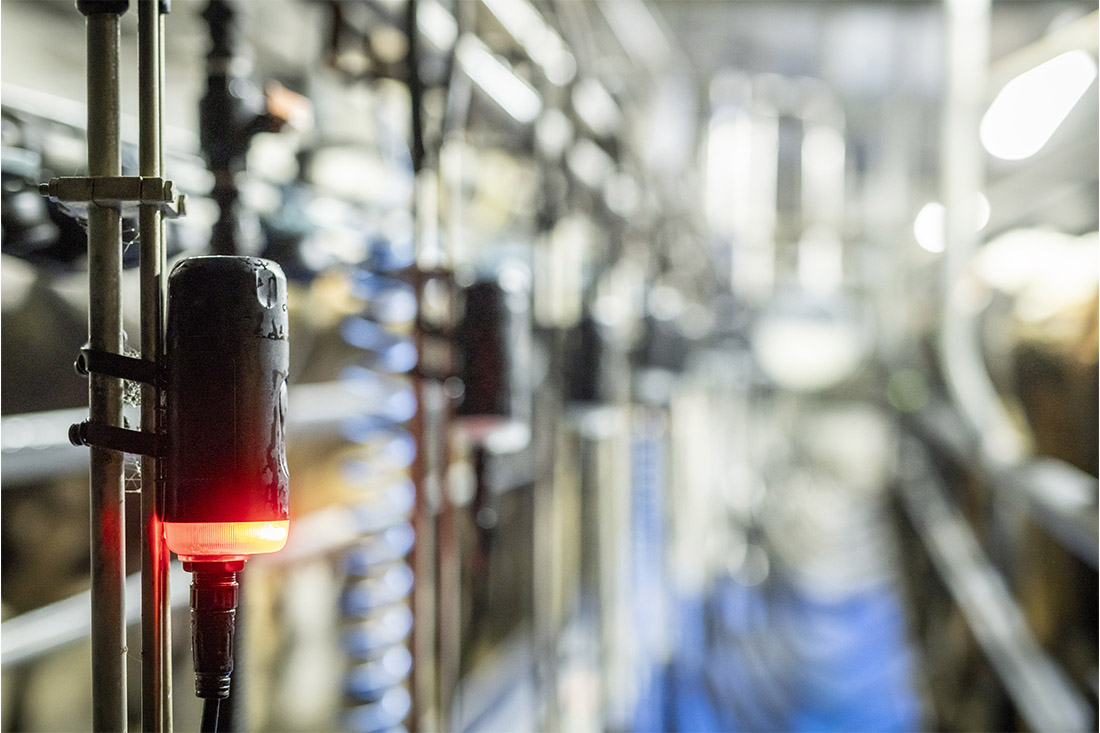
After the first season, Bovonic surveyed 20% of our customers and got a pretty clear picture of the impact. (2025 internal validation survey of 33 New Zealand farms that had used QuadSense for at least six months).
Milk quality was a big win. On average, farms dropped their somatic cell count by 37%, which they reported extra incentive payouts, anywhere from about $3,900 to $14,300 a season depending on the farm. Earlier detection also helped lift production, with around $17,500 gained from better yields*.
Time savings were another big one, about 3.7 hours a week. That’s over 100 hours a season, making milking quicker and a whole lot less stressful during the busy times*.
Animal health improved too. Around 74% of surveyed farmers reported less antibiotics, with an estimated saving of about $2,200 a year*. They also saw fewer cows culled and quicker recovery times.
One Waikato Fonterra farmer put it simply: “We put QuadSense in at the start of the season and haven’t had to strip the herd since. Milking’s faster, cell counts are down, and mastitis is a whole lot less stressful.”
QuadSense is now on over 200 farms nationwide. Talk to your local TSR or visit Farm Source store to learn more about QuadSense.

Speak to our team of local dairy experts - pop into one of our Farm Source stores or contact us below.
Speak to our team of local dairy experts - pop into one of our Farm Source stores or contact us below.
1 The pieces of the puzzle – what’s new in mastitis
* QuadSense: Built for Farmers, Proven on Farms | Bovonic.
Article supplied by Bovonic