Te Pūtake 2026/27 season

From June 2026, the actions required to achieve Te Pūtake are being streamlined.

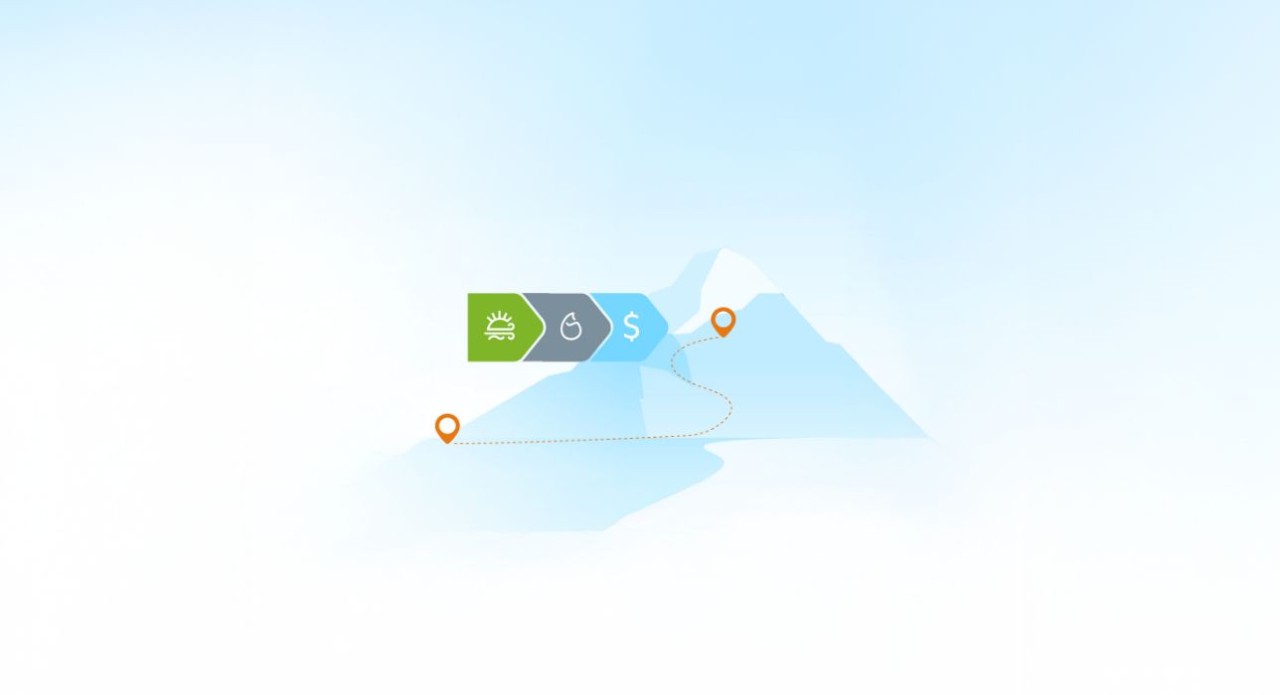
Te Pūtake – the starting point for the Co-operative Difference – is about capturing valued on-farm practices.

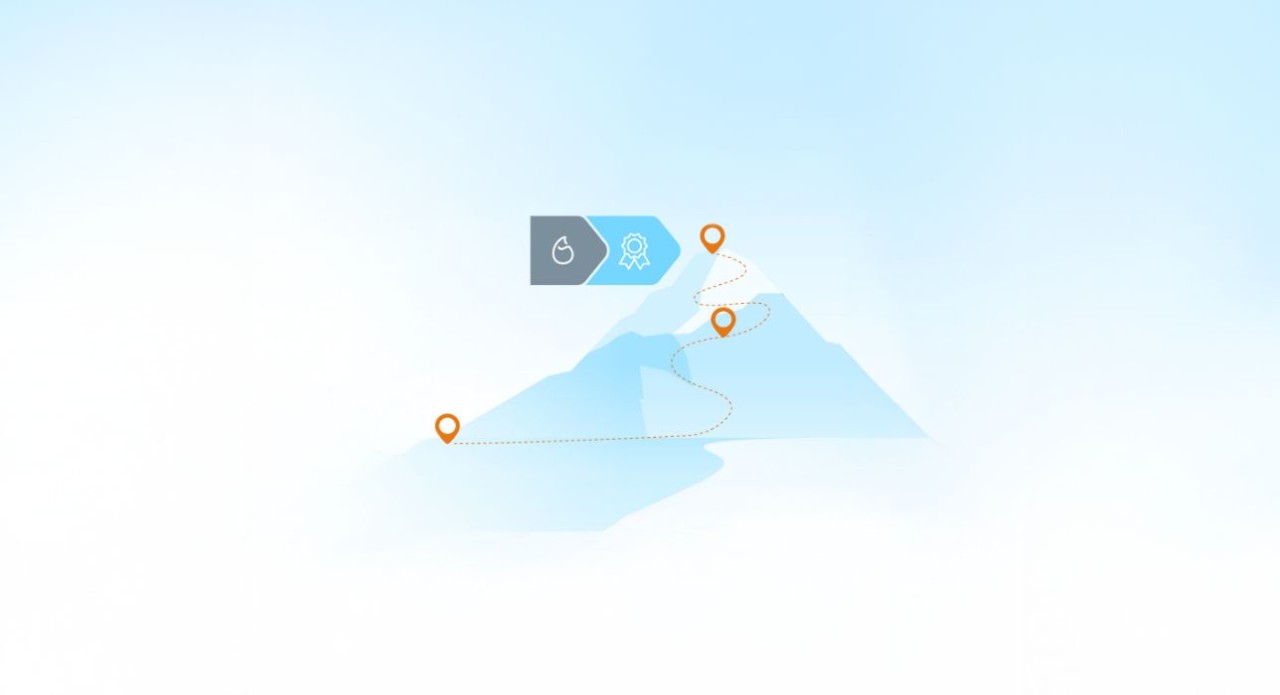
Once you’ve completed both actions for Te Pūtake, you’ll not only receive 7 cents per kgMS, but also have the opportunity to qualify for the Te Puku Milk Quality and Emissions Excellence achievements. You’ll also need to meet Te Pūtake to gain access to the new Customer Incentives, based on eligibility criteria for each.

We've removed 5 of the 7 requirements needed to achieve Te Pūtake. You'll now only need to complete the two following actions.

How do I do this?

We'll need to confirm the area, age and type of vegetation on your farm, and will need your permission to include any claimable carbon in your emissions footprint for 2026/27.

A tool will be available for you to check your vegetation is correct, and for you to give us permission to include it in your footprint if not used elsewhere already.

What if I don't have any vegetation or I've already assigned it elsewhere?

You can still pass this achievement – you only need to confirm what you do have, and whether it's assigned elsewhere.

You can do this at a vegetation plot level, so you can choose to exclude specific areas of vegetation accounted for elsewhere, while including any remaining vegetation in your Fonterra carbon removals assessment.

What land can be included in my carbon removals assessment?

We can include any claimable vegetation on any land that you have mapped with Fonterra (both your dairy platform and any attached support land). We'll share more information on non-attached land soon.

Will customers get carbon credits for my planted areas?

No, the carbon benefit from removals will not be passed on to customers via credits. Your removals will be used to lower the footprint of your milk.

What are carbon removals, and why are they important?

  • Your farming activity – managing cows, using fertiliser and importing feed – creates emissions, but the vegetation on your farm can store some of the emissions generated.
  • Vegetation like trees and shrubs remove carbon dioxide from of the air as they grow and these stored emissions are termed “carbon removals”.
  • Through measuring your carbon removals, you can help to grow the value of your milk. Producing low-emissions milk strengthens Fonterra's competitive position and appeal to customers.

Is my soil carbon counted?

New Zealand’s soils generally have high levels of carbon thanks to our rotational grazing system and relatively low percentage of land cultivated/cropped. Natural events like droughts, floods, as well as cultivation and cropping can cause soil carbon to be lost, and there’s still uncertainty about how to fairly account for these changes.

Ongoing research aims to find the best management practices to improve soil carbon and ensure accurate measurement during different conditions.

What help is available?

For support, talk to your Sustainable Dairying Advisor, or check out some of the other help links below these required steps.

We’ve simplified the first level of COD (Te Pūtake), reducing the number of requirements and focusing on the ones that create the most value.

This reflects the progress farmers have already made, allowing some activities to move from COD into baseline expectations under Terms of Supply. 

Some achievements (e.g. Workplace 360, digital submissions, plan verification) have been removed because they duplicated existing requirements or created unnecessary admin. 

Mandatory: Core requirements under Terms of Supply (e.g. food safety, animal wellbeing, environmental standards)
Co-operative Difference: Rewards additional actions that create value

This change makes that distinction clearer. 

Yes — where these requirements are part of QCONZ or other regulatory processes, they still apply.

The removal of Workplace 360 from the Co-operative Difference doesn't reduce the importance of good working conditions or the Co-op's commitment to this issue.

Good employment practices and animal care remain expected as part of running a responsible farm and supplying the Co-op. Workplace 360 was initially included to build awareness and capability, and that progress has been made across the majority of farms.

Farmers can still access Workplace 360 through DairyNZ.

Your team is here to help

Talk to your local team about these updates, or if you need support with admin during the season reach out to your Farmer Support and Relationship Advisor. Find their details in the My Co-op App.