We need to have great workplaces that attract, motivate, and retain the very best people and enable everyone to thrive.
Having a well-planned recruitment and selection process is the first step towards finding the right person to fit into your team.
Read our tips and tricks below to help attract and retain great staff, and check out the DairyNZ website for more great resources and advice.
STEP 1
Recruitment planning and advertising
The first step in this process is having a good understanding of the role requirements.
- What on farm tasks should the role include?
- What qualifications or skills are necessary to fill this gap?
- What is your budget?
Once you have a clear idea of what you need, you can then start advertising for the role. This is your chance to ‘sell’ yourself as a great employer. A good job advert will attract good candidates - provide enough information to make the job sound appealing and encourage potential applicants to take action.
Support to write your job advert.
It is a good idea to research and understand the current market rates for the role you have available. Talk to farmers and rural professionals and check out information from GoDairy and the Careers website. Note these are just guidelines and people's individual pay rates should vary depending on their skills, experience and qualifications.
STEP 2
Screen applicants
Now it's time to find your new employee! First we reccomend phone screening all prospective employees to then create a shortlist. Once you've completed phone screening, you can then interview your short-listed candidates.
Following interviews, check the references of any applicants you are particularly interested in. DairyNZ has some great templates for reference checking and questions to ask during these.
Phone screening
In order to create a short-list of candidates (recommendation of 3 – 5 candidates), a phone interview should be conducted. It’s important to take the time to do this now so you’ll save time later by only interviewing the best candidates.
Find some tips on screening applicants over the phone, including a phone screening template.
Interviews
When you have your short-list, you can now start in-person interviews (or given the current climate, perhaps an online video interview).
Here's a guide for what you need to do before, during and after an interview, including other useful resources to help you with the interview process. This also includes several templates with suggested questions for difference roles on a farm.
STEP 3
Job offer
You’ve selected your preferred candidate and now it’s time to make them an offer!
To do so, you'll need:
- An offer letter (see this an example).
- An employment agreement (you can write your own using the employment agreement builder, or get a template from Federated Farmers or Rural Professionals such as lawyers, accountants and farm consultants - learn more here).
Making an offer
To attract talented and committed people, you need to offer a competitive package. Use the DairyNZ calculator check how competitve your offer is.
Consider both cash items such as salary/wages and bonuses/incentives, and non-cash items such as rostering and time-off, training and development opportunities, meat, electricity, firewood, accommodation offered and rent for this.
Remember that lifestyle is often as important as pay. Research from Kiwi dairy farmers has shown that making positive changes to rosters, increasing wages and offering development opportunities helps to attract and retain great staff in the industry.
To make an offer, you need to confirm the terms and conditions of employment and present an employment agreement to your chosen candidate.
Obligations as an employer
By law, all employees must have a written individual employment agreement that sets out the basic terms and conditions of employment.
You must talk through and sign the employment agreement and job description with your employee before they start work.
The Co-operative Difference People & Community Achievement
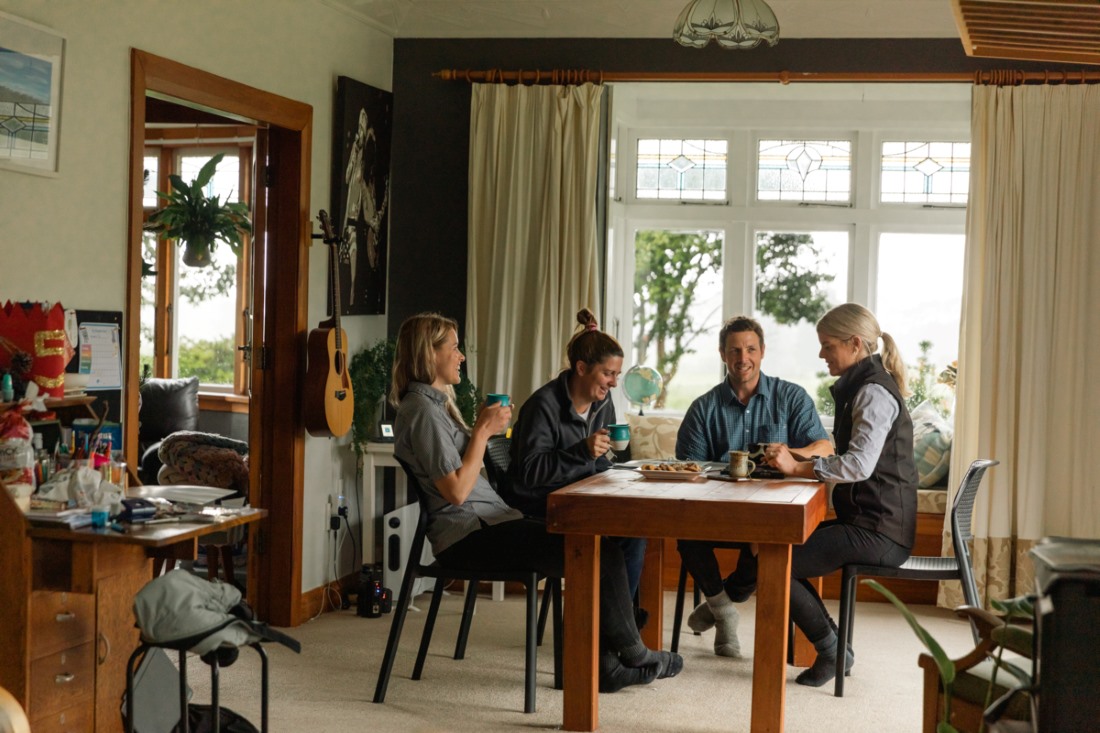
With a high quality, happy, and engaged workforce, you can help develop the next generation of dairy farmers for the industry.
The People & Community achievement focuses on enhancing the industry's reputation whilst contributing to strong and healthy communities.
Health and wellbeing
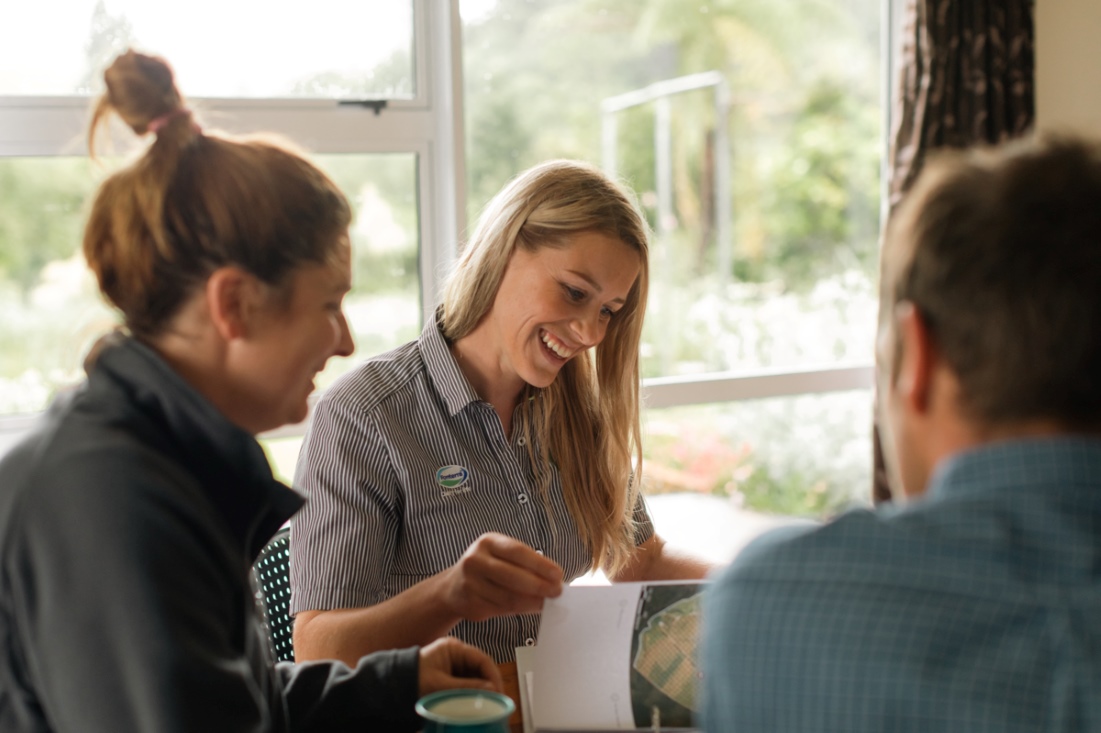
A good work/life balance and the ability to make strong personal connections in communities can help improve wellness and wellbeing - and attract and keep the people we need in our industry and rural communities.
Find advice and resources, tailored especially for our farmers, to improve your wellbeing below.

Stay cyber safe
Employers are being targeted with fraudulent online activities. These are on the rise and scammers keep coming up with more creative ways to take advantage of people's good nature and / or sense of fear. We have seen a significant increase in scams like phishing emails and the spread of misinformation.