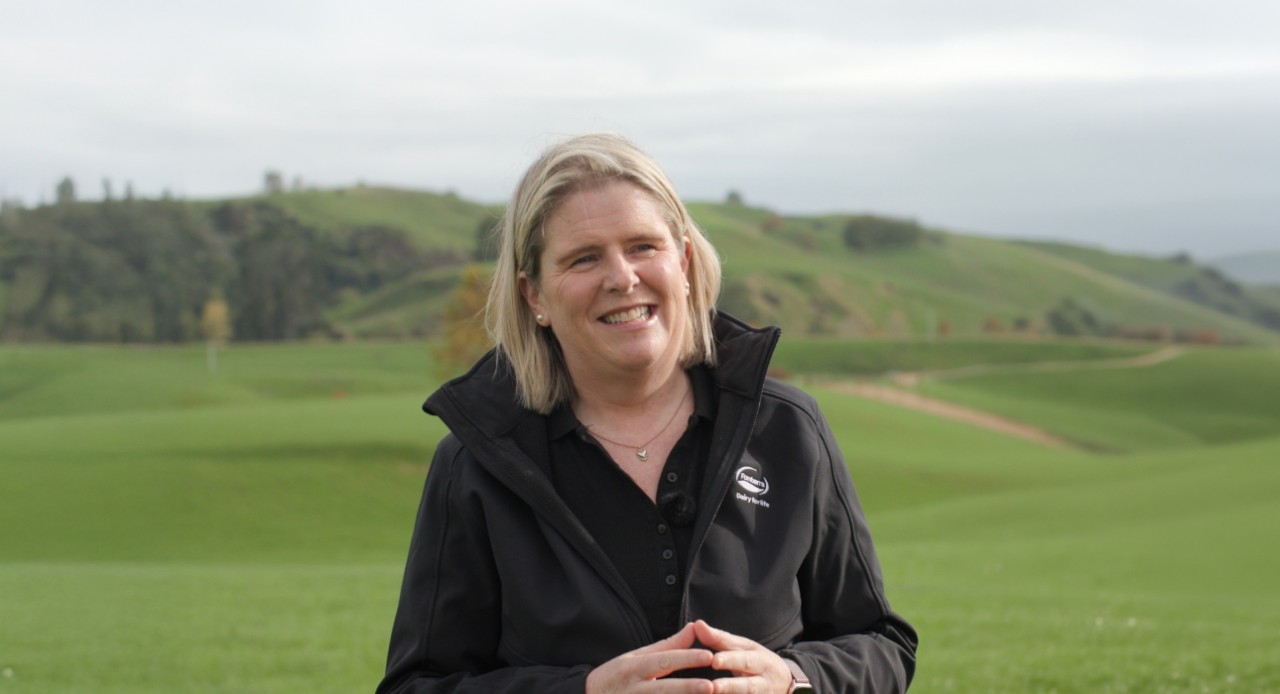
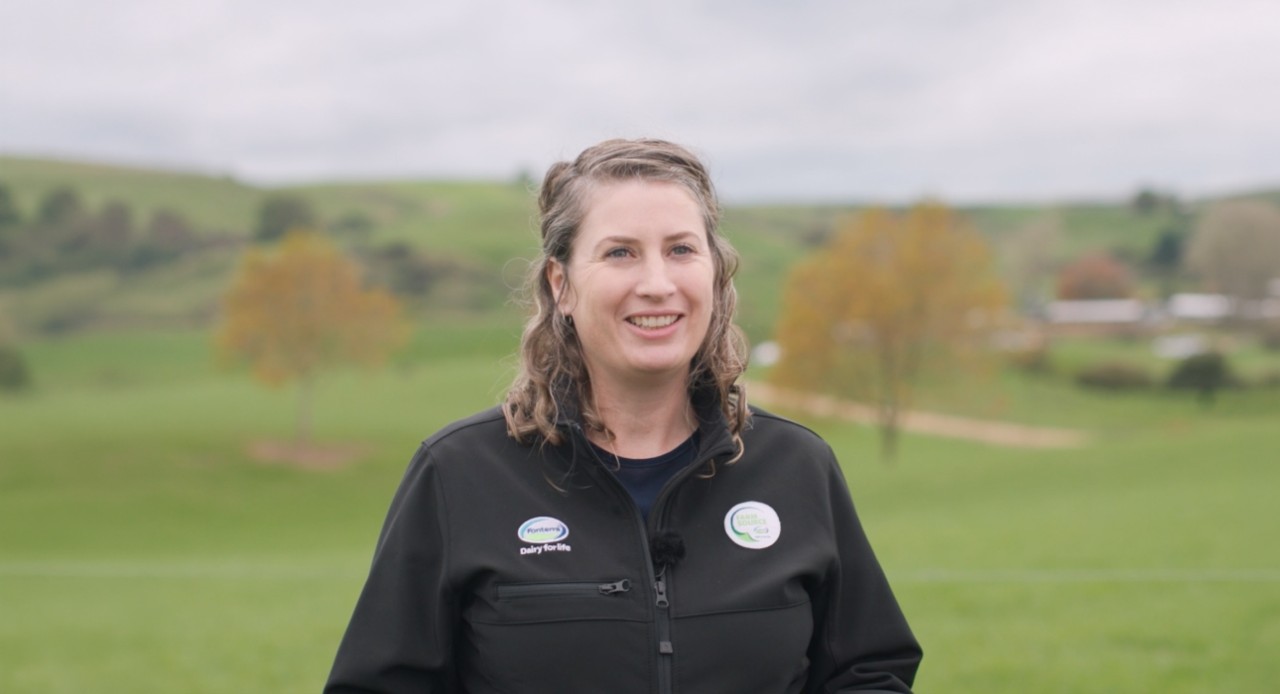
Sustainable Dairying Specialist Andy Mourits explains the three types of emissions and how to improve efficiency.
EPISODE 2
Sustainable Dairying Specialist Andy Mourits explains the three types of emissions and how to improve efficiency.
IN THIS EPISODE
Your footprint includes activities across both the milking platform and support block. This covers animal digestion, effluent, nitrogen fertiliser use, and the emissions associated with producing and transporting key farm inputs like feed and fertiliser.
Methane comes mainly from animal digestion, effluent and replacements; nitrous oxide comes from urine patches and nitrogen fertiliser; and carbon dioxide comes from the production and transport of inputs such as feed and fertiliser.
Emissions are measured per tonne of fat and protein corrected milk. The key driver is how efficiently you turn inputs into milk production, not necessarily the size of your operation.
First, check the quality and accuracy of the data in your Farm Dairy Records. If the data looks right, contact the Farm Source team and a specialist can review your emissions number with you.