CALVING ON-FARM FOCUS
MILK
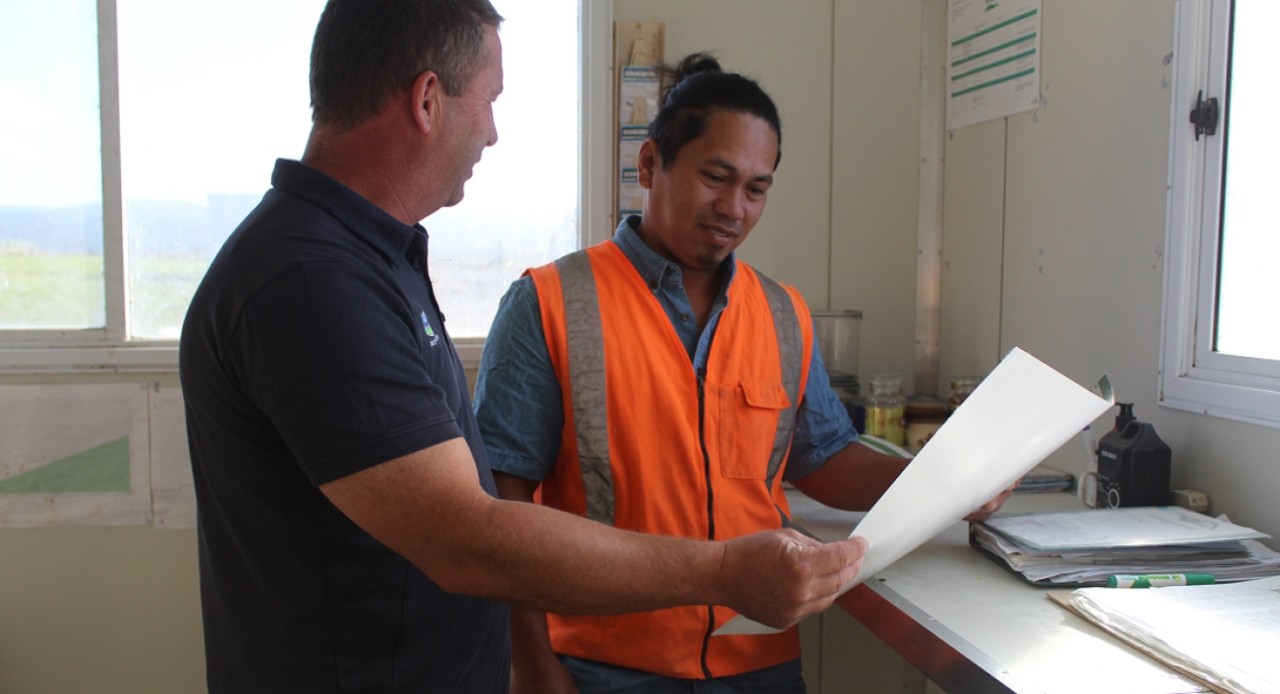
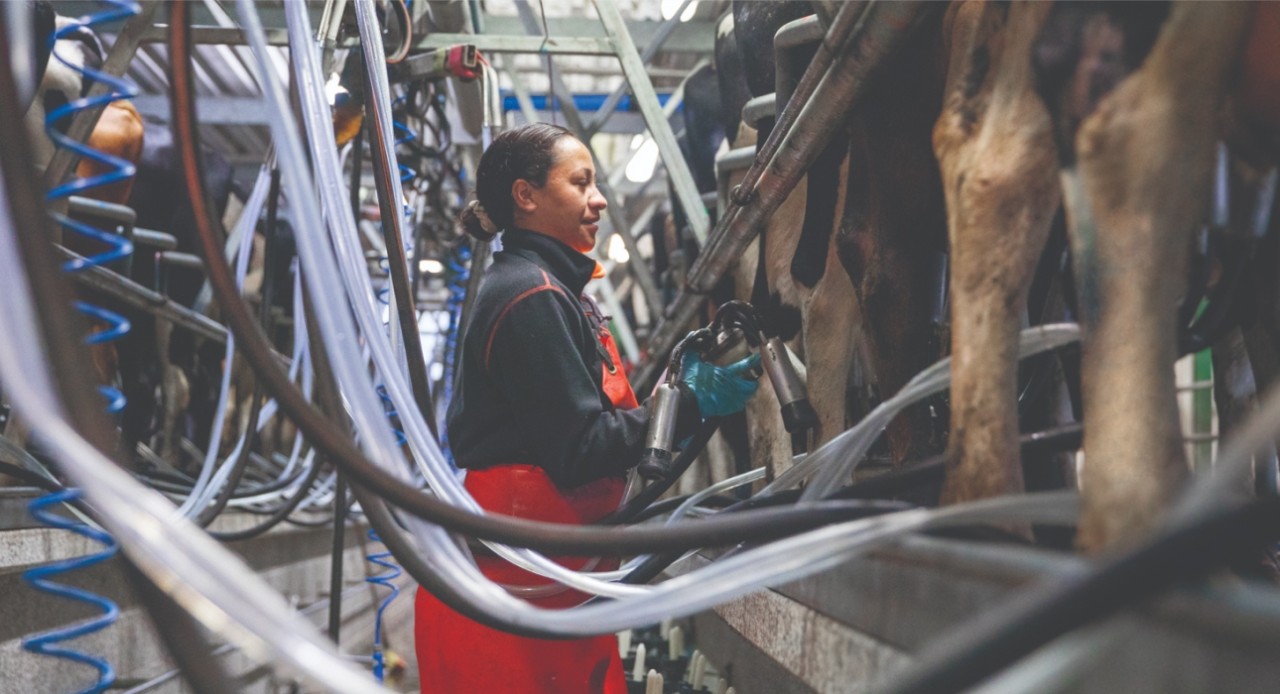
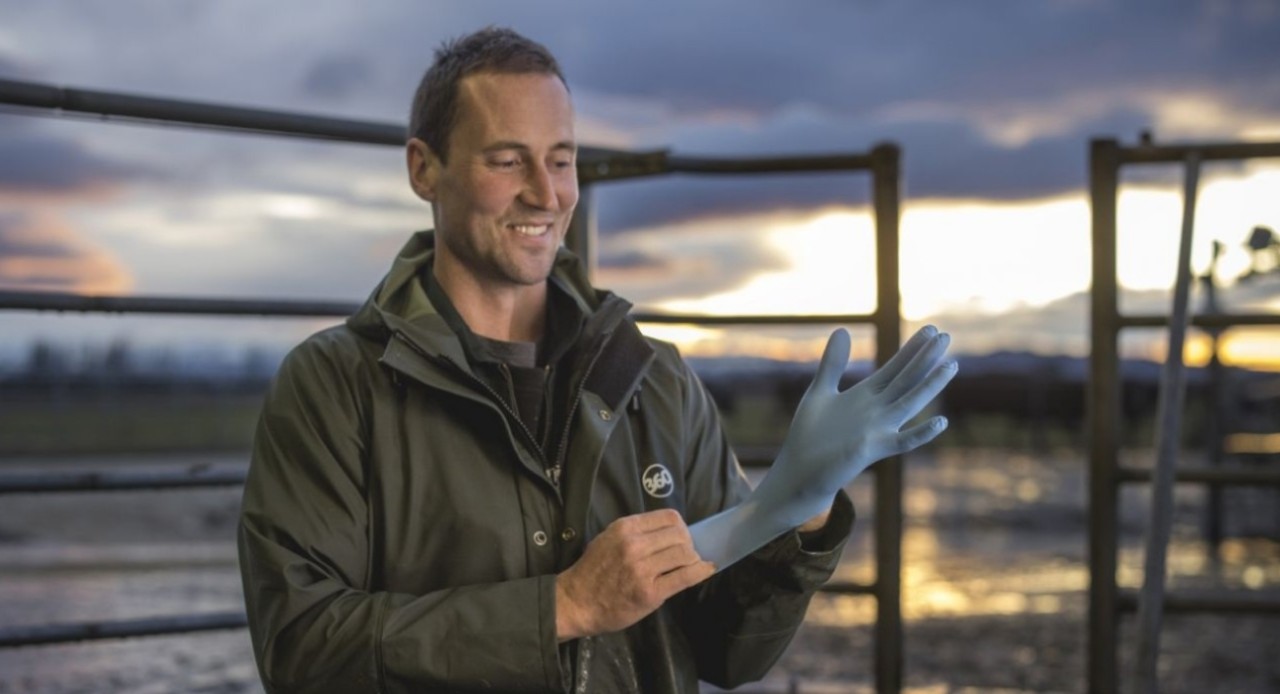
During the colostrum period cows have a higher risk of mastitis, protect your milk quality by rapid mastitis testing (RMT) and passing every cow before they enter the milking herd. Learn more from our resources below and get in touch with your local support team.
COW HEALTH
CALF REARING
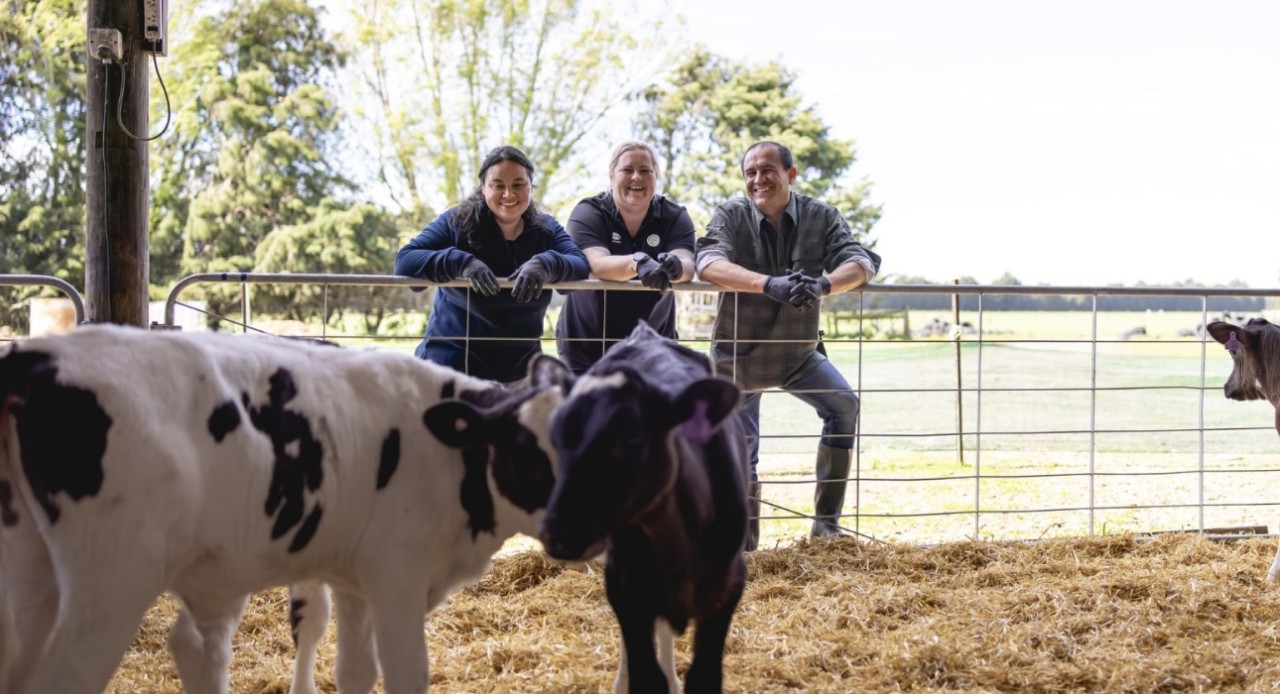
Review and refresh your calf rearing management with the help of our handy quiz.
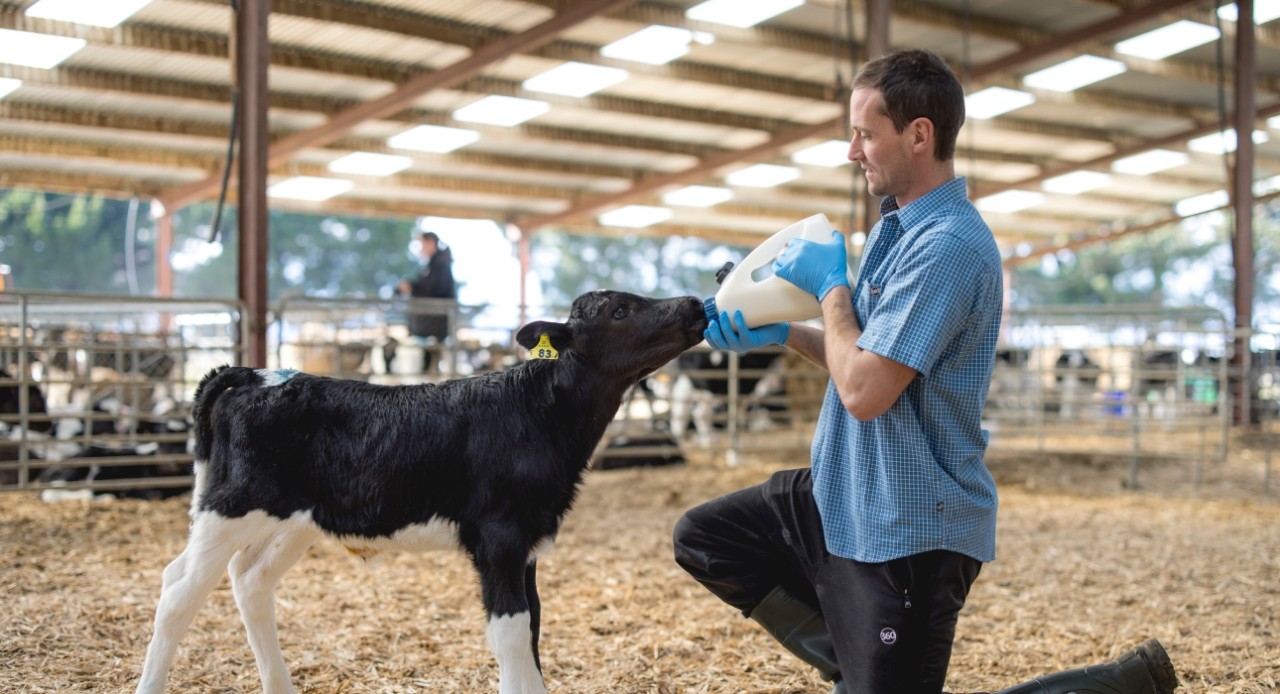
At birth, calves’ immune systems are not fully developed and the antibodies in colostrum are crucial.
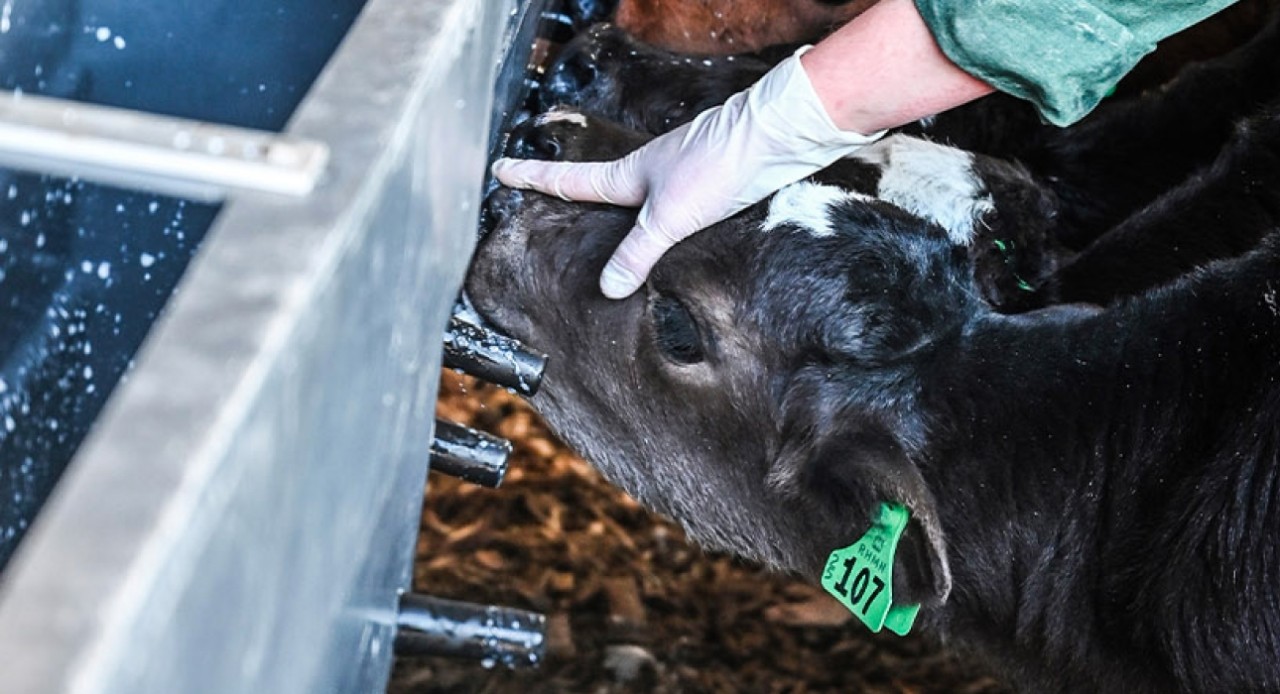
Automatic, ad-lib and manual calf feeding systems are put to the test, revealing how early nutrition influences growth, labour demands, costs and longer-term productivity.
YARN ON THE FARM
Join Farm Source, NZAgBiz, and Seales Winslow as they bring you an essential guide to best practices in calf rearing.
Learn how to optimise calf growth, prevent common health issues, and set your calves up for success in their early stages of life.
LAND & FEED
TOOLS
FAQs
Getting intake up quickly, maintaining feed quality, and limiting condition loss helps cows reach peak milk smoothly and sustain production.
Focus on hygiene and early intervention. Withhold colostrum cows from supply for at least eight milkings, and ensure cows are rapid mastitis tested (RMT) before joining the milking herd.
Good milking routines, identifying issues and acting early help prevent infections and protect milk quality. Check out the early season mastitis guide, milk quality web page or chat with your local Milk Quality Manager.
Through the transition period. Cows that calve below target BCS, have early health issues or poor feed intake are less likely to reach their production potential.
Aim to keep cows eating well and settled into a consistent milking routine. These early gains carry through to peak production.
To minimise somatic cell counts check all cows before they rejoin the milking herd. Tools like RMT and good shed routines, help catch issues early.
The early season mastitis guide and milk quality web page are helpful guides or chat with your local Milk Quality Manager.
CONTACT US