• Milk
  • Support Services

Article

Dramatic milk quality improvements following strong team effort

  • Milk
  • Support Services

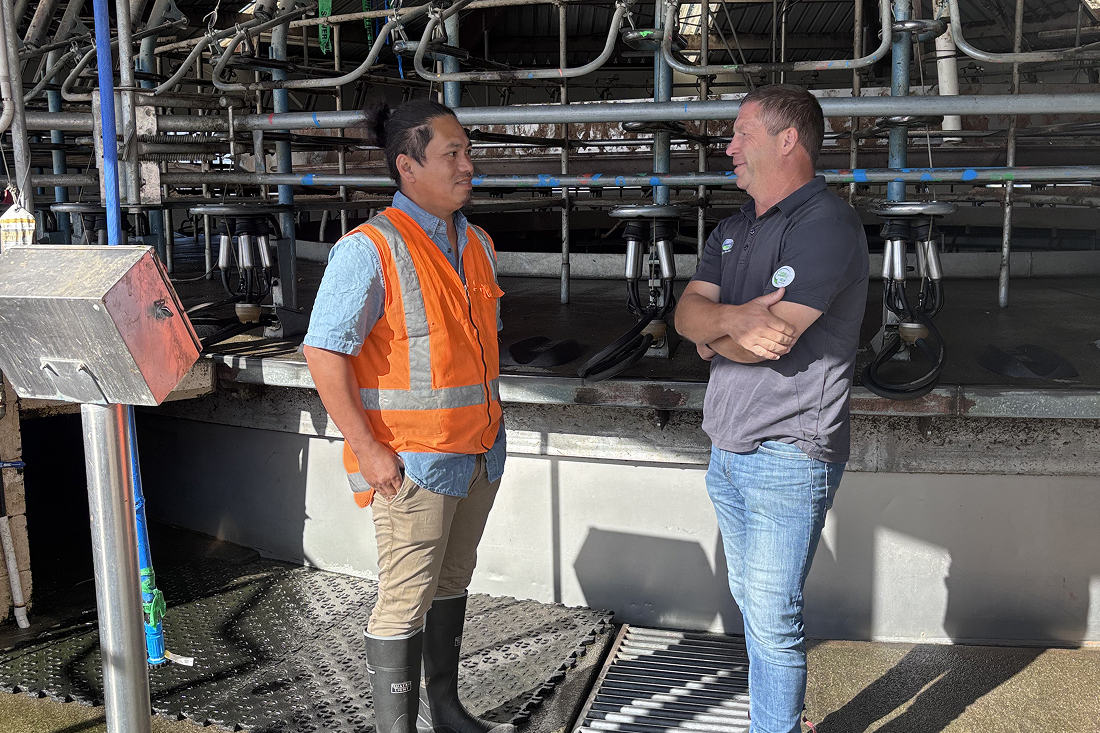
Taking a more proactive rather than reactive stance on milk quality is key to creating dramatic improvements in somatic cell counts (SCC) on-farm says Southland farmer Louie Alonzo.

Louie currently contract milks for NZSF Southland - Jacobs Farms near Winton, owned by the NZ Super Annuation Fund (NZSF), and one of 22 farms managed by FarmRight in Southland. Together they have been working with the Fonterra Milk Quality Team and a local Advanced Mastitis Accredited Veterinarian to deliver milk quality support. This includes a pre-season visit from a Milk Quality Manager, an Accredited Vet visit, and a follow up Milk Quality Manager visit – all working proactively on improving milk quality results on-farm.

The results speak for themselves, says Louie. He credits the series of visits, and his team’s commitment to applying what they learned for the dramatic drop in SCC.

“We implemented everything we learnt. My team did an amazing job – they had taken the time to learn, even going through the basics like teat spraying to make sure they did everything the right way,” he says.

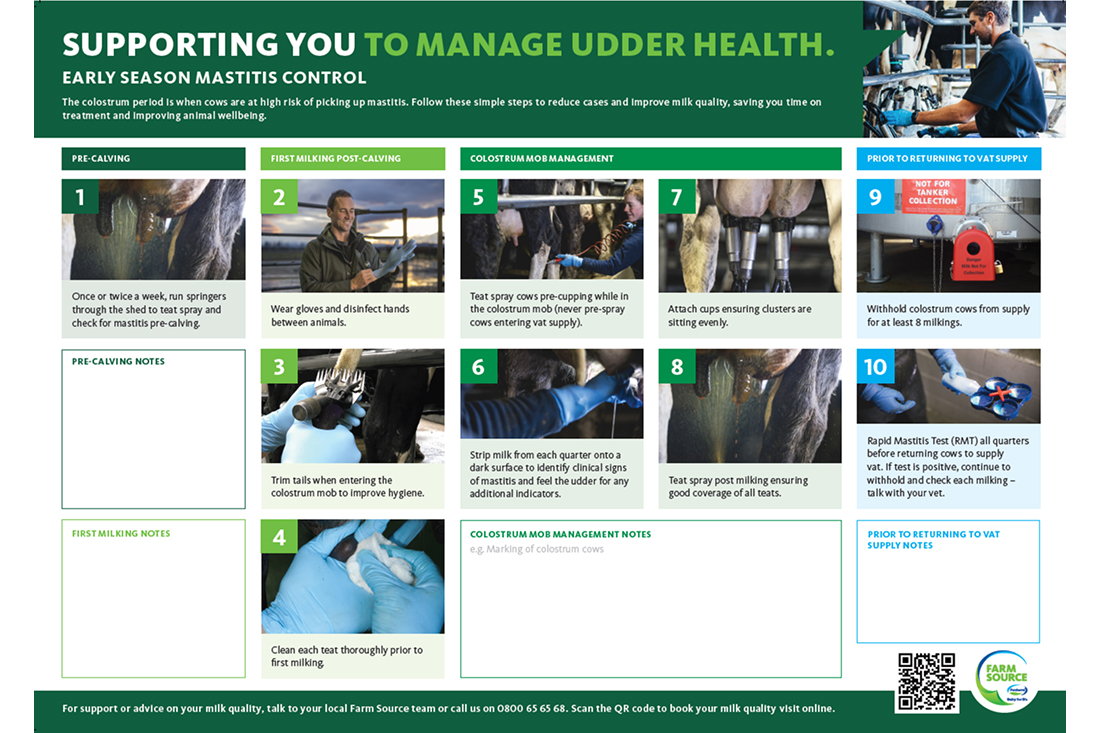
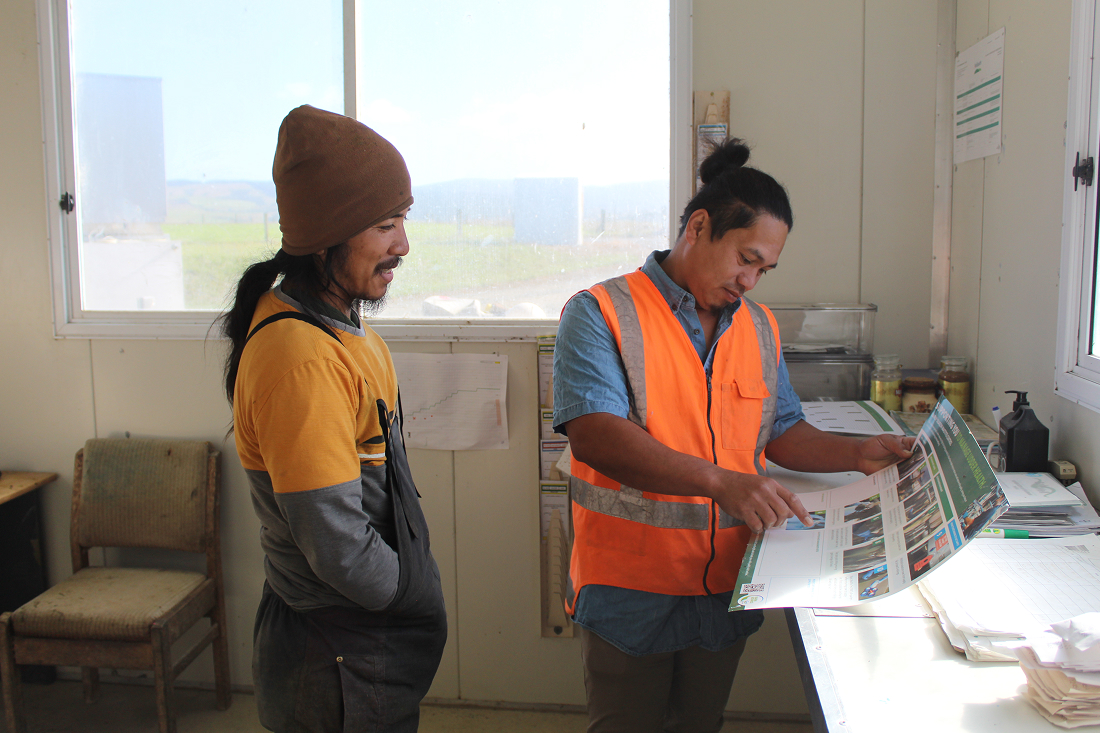
“We learned more about colostrum management – and we received posters to help us remember each step. How we handle cows in the colostrum mob, focusing on manual teat spraying and strengthening hygiene practices.”

Workers looking at the udder guide guide

The programme has been a really positive experience for Louie and his team and he highly recommends others to give it a go.

“It has helped to also bolster our team pride. The results are great.”

Overall, FarmRight Farms have recorded a 36 % decrease in somatic cell counts compared to this time last season. The NZSF Southland - Jacobs Farms has had a spectacular 103 % reduction in SCC and is sitting at 86 % Excellence for Milk.

Fonterra Milk Quality Manager Daniel Simmonds says the large and enthusiastic team effort made a considerable difference to the dramatic results on-farm.

“Louie and his team have really got behind this – and it shows in their great SCC results. Louie made sure his whole team was on board and attended the visits, working in close partnership with the myself, and the Accredited Vet.”

“The farm team were really invested in it and asked lots of great questions. It comes down to strong on-farm engagement and providing that additional training for the farm team. The resources we provide back up the visits and training, so it becomes layer upon layer of practical support for the team.”

Worker with Milk Quality Manager

While previously the thought of a having a Milk Quality Manager visit on-farm meant there was an issue that needed addressing, times have changed, says Daniel.

“We are here to help. We are a resource to be utilised. We can observe and help to make small but necessary tweaks to improve productivity on farm and gain better results when it comes to somatic cell counts and more.”

Consistency during the colostrum period sets up for the season ahead

  1. Maintain a consistent approach across all staff so nothing is missed.
  2. Teat spray pre-calving to keep teats supple and clean before calving and first milking.
  3. Once calved and in colostrum herd, teat spray and clean teats before the first milking.
  4. Strip each quarter every milking in the colostrum herd to detect clinical mastitis.
  5. Ensure proper milk-out, avoid over-milking, and teat spray after every milking.
Supporting you to manage udder health

Contact your local Milk Quality Advisor or Milk Quality Manager today for more information or to book a farm visit.