What’s involved
If you’re interested in finding out whether organic farming is right for you, this section provides an overview of the steps required to convert, from the initial application through to full organic certification.
Before deciding to apply, take some time to learn what changes are required to convert your farm to an organic system. Our team is here to support you through this decision. Once you are sure organic certification is the right fit for your business, the first step is to submit your application.
Our application process enables us to gain a clear understanding of your farming system, the potential practices you will employ and any support that you may need to successfully convert to organic.
Farmers can select either AsureQuality or BioGro New Zealand as their organic certification body. Your certification body is responsible for audits, input approvals, and overall certification. They will guide you through the entire organic certification process, including requirements, timelines, and documentation.
Once you have registered with a certification body, please complete, sign and return your Fonterra Organic contract to us.
Organic certification provides customers, consumers and governments assurance that a product has been produced in accordance with the specified organic standard or regulation. Fonterra certifies to a range of globally recognised organic standards enabling access to a broad range of customers and markets, which in-turn provides stability to your milk price returns.
The steps required to gain organic certification are:
An Organic Management Plan (OMP) outlines how your farm will operate within organic standards. Your OMP includes:
Your OMP is reviewed and updated each year during your annual audit.
Your chosen organic certifier will be able to support with required templates, we suggest checking out the resources they have available or contacting them directly for support.
Converting your farm to organic typically takes 3 years for land and 1 year for animals (done in parallel) and involves a series of important steps and ongoing requirements. Understanding these will help ensure a smooth transition and continued compliance with organic standards.
Annual audits are required to verify compliance to organic standards and are a routine part of ongoing organic certification. Staying organised and maintaining comprehensive records throughout the year can reduce administrative workload during audits.
More information on the organic conversion process can be found in the Organic Toolkit. Your chosen organic certifying body will be here to support you through each of the stages of conversion.
Once Fonterra Organic certification requirements are met payments change from the Fonterra Farm Gate Milk Price plus organic conversion incentives to the Organic Milk Price.
See the section on Organic Milk Price and Financial Information for further information.
Changes will vary based on your existing practices and what’s required for organic certification. Here are some of the common shifts seen on farm.
Synthetic fertilisers, sprays and routine antibiotics are phased out and replaced with approved organic inputs and preventative management.
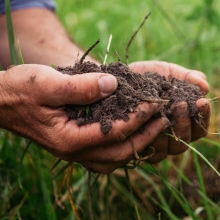
Greater focus on soil health, diverse pastures and using grazing management to compete with weeds.
Emphasis on breeding, nutrition, hygiene and early intervention, with treatment always given when needed for animal wellbeing.
Only approved feeds can be used, with farmers typically growing majority of their feed on farm.
To meet certification farmers will need to show auditors their record keeping across treatments, management decisions and input approvals and use. Often farmers are already capturing most of this.
Organic farms typically have 2 cows per hectare.
Revenue is often similar with the higher milk price offsetting any loss in production, while lower operating expenses result in higher profit per hectare. See on-farm economics for more information.
COULD ORGANIC WORK ON YOUR FARM?
— Michael Ashton, Fonterra Organic Farmer